Skip to content ↓

News & Articles

Page 13

  • Peterborough January – March 2019 Timetable

    Published 11/05/20, by Admin

    If you are looking for fun, inclusive and enjoyable activities for the family, then come to The Spinney! We released our new 2019 timetable which includes term time activities that are available from January to March. Booking is not required for most activities, if you have any questions give us a call on 01733 262226 or email us at admin@littlemiraclescharity.org.uk

    We can recommend activities to suit each child based on their age and ability in order for them to get the best engagement and interaction out of each of their visits to The Spinney!

    Check out our new timetable below for more information on daily schedules and activities!

    Monday

    Home Education (5 years and over) 10:00 to 12:00
    Childcare available for siblings
    Lunch 12:00
    Gymnastics 13:00 to 15:00
    Phoenix Gym, Maxwell Road, PE2 7JE – No booking is required, pay £3 on arrival
    Scouts 17:00 to 20:00
    Contact the 58th Ravensthorpe and Westwood scout group – Call Jacquie Smith 07525345760

    Tuesday – Open Access

    Tiny Tots Group (0-4 years) 10:00 to 12:00
    Lunch 12:00
    Coffee, Cake and Chat 13:00 to 15:00
    Let’s Cook! 16:00 to 17:00
    Dinner 17:00 to 18:00 – Slow Cooker Surprise

    Wednesday

    Home Education (5 years and over) 10:00 to 12:00
    Childcare available for siblings
    Lunch 12:00
    Mad Science Club 13:00 to 15:00
    Practice experiments while learning about science
    Gaming Club 16:00 to 17:00
    Dinner 16:30 – Stir Fry
    Ballet 17:30 to 18:30

    Thursday

    Sensory Messy Play 10:00 to 12:00
    Lunch 12:00
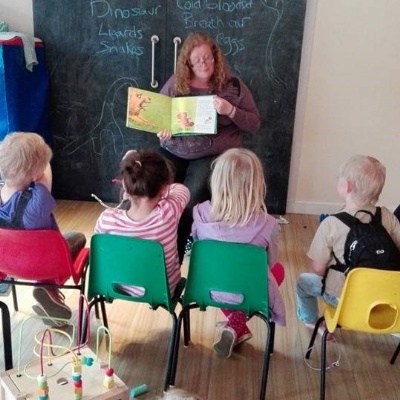
    Sensory Stories – 13:00 to 15:00
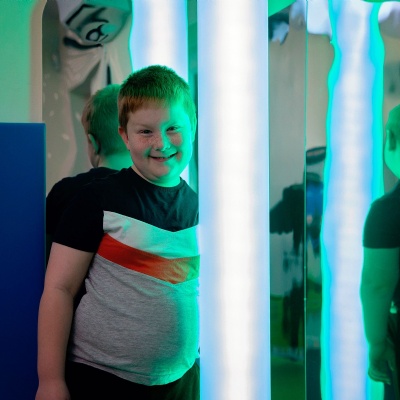
    Seriously Sensory Session – 16:00 to 17:00
    Dinner 17:00 – Hunters Chicken
    Youth Club (11-25 years) 19:00 to 21:00

    Friday

    Express Yourself 10:00 to 12:00
    Lunch 12:00
    Freeplay 13:00 to 15:00
    Dinner and Movie Club 16:00 to 18:00

    Saturday – Open Access

    Free Play 10:00 – 13:00

    Information and Referrals

    Counselling – clinicalteam@littlemiraclescharity.org.uk
    Caravan Holiday – caravan@littlemiraclescharity.org.uk
    Family Support – familysupport@littlemiraclescharity.org.uk

    Feel free to contact us for any enquiries that you may have via these contact options below:

    Call – 01733 262226
    Email – admin@littlemiraclescharity.org.uk
    Address – The Spinney, Hartwell Way, Peterborough, Cambridgeshire, PE3 7LE
    Facebook – /TheLittleMiraclesCentre
    Twitter – @littlemiraclesp
    Instagram – little.miraclescharity

    Read More
  • Sibson Airfield Parachute Jump- 29th July 2019

    Published 11/05/20, by Admin

    Have you got a bucket list? If so I wonder if jumping out of a plane is on their? Many of us have it as a pie in the sky type item that we think we will do it one day and then put it to the back of our minds. However skydiving is easier than you think to achieve, will conquer your fears and make you feel amazing! Add in the adrenalin of jumping at 13,000 feet and the perfect calmness and how beautiful the world is as you float back down why would you not want to?

    If nothing else think of the selfies!

    You have the opportunity to experience this whilst also enabling local disabled children to have a summer they will never forget.

    On the 29th July we are working Sibson airfield UK who are affiliated to the British Parachute Association. All instructors are highly trained and very experienced to ensure you experience a safe, enjoyable time. On the day you will undergo a training session designed to keep you safe before boarding an aircraft that reaches around 13,000 feet in a parachute designed for two people. You will fall at around 120 mph descending to 5,000 feet before your instructor opens the parachute. It’ll then take around 6 minutes to reach the ground.

    Even more exciting is if you raise £300 then we will pay for the jump for you! So what are you waiting for complete the details in this link for more details and to have a once in a life time experience.

    Read More
  • Building a Strong Relationship Whilst Caring for Your Child

    Published 11/05/20, by Admin

    By: Tammy C. Forester

    All couples face adversity of some kind at some point in their marriage. With divorce rates on the rise, and some scary statistics for divorce rates for couples with disabled children it seems like it is harder today than ever to create a successful relationship. In a fast-paced modern world finding time to work on a relationship may seem like a difficult task in and of itself. For couples raising a child with a disability, it can be even harder to find time for each other. The child takes priority and it takes a lot of time and resources to care for the child’s needs. This often leads to increased stress within the family as well. It is important to find ways to work together and nurture your relationship even under the hardest of circumstances. Remember that your child needs both of you, and it helps if you are working together as a team instead of being separated.

    Research has found that most failed relationships are caused by a lack of communication. Especially in times of difficulties, it is important to keep the lines of communication open. At times it may seem easier to retreat into your own world and just not discuss your emotions, feelings, worries, or fears, but it is also a highly destructive practice. When frustrations build up and emotions run high, it is a recipe for destruction within a family. Keeping things to yourself does not protect anyone but instead may separate you from those around you who love you. As a couple, you are a team in all aspects of life, and it is important to communicate and work together to find solutions to problems that arise. Working together in stressful situations can help bring you closer together as a family and a couple.

    Even though things may get rough and at times it may seem impossible to deal with and accomplish everything that needs to be done and deal with the pressures of life, it is still extremely important to try to find some time to spend alone with your partner. Even little things like calling home to check in, saying I love you, being there for each other in times of trouble, or just encouraging each other can make a big difference. If you can find time to get away for a few minutes just to talk to one another or spend time together that would help a lot. Keeping an intimate relationship with your partner and offering encouragement and support will help keep the relationship strong and allow you to deal with problems that arise.

    It is also important for couples to realise that they are partners in life and in the care of their children. When a problem arises whether it be finances or a new diagnosis to face, they need to communicate and work out a solution together. Cooperation is the key in all of this. No one person can do everything. Both parties play a role in their relationship and the care of their children. If something goes wrong or a problems arise it may seem easier to place blame than to work together to find a solution. When couples blame each other, they only add to the problem and may be jeopardizing the structure of their relationship and trust. It is important to find ways to share responsibility and work together to overcome adversity.

    Couples should also find and take advantage of resources and support services available to them within the community as well as with family and friends. Raising a child with a disability is a difficult task and at times families may need help and support. There is no shame in asking for help when you need it. Whether it be with household tasks, babysitting, financial assistance, counselling services, or whatever the need may be, having a strong support system is important in dealing with stressful situations. Don’t be afraid to seek out help when necessary.

    I know that it seems hard to find time to look after your relationship whilst balancing the needs of caring for your child but it is an investment that will keep you working as a team and better able to juggle everything going on in life. Your children need you to be healthy and strong in order to be able to care for them. If things get hard and you feel like you can’t handle everything seek out professional help. If you need to, seek out family counselling or support groups – we can help you! Raising a child with a disability is a huge responsibility and everyone needs help sometimes. Remember that your children are depending on you and working together as a team can provide a sense of stability within the home while allowing you to grow closer and stronger than ever as a couple.

    Marriage is difficult even under the best of circumstances, and having a child with a disability can limit the time and resources available to families and couples. It is important to stand by each other and help each other to grow and overcome obstacles that come your way. It takes communication, effort, and determination to help couples survive even the most difficult of circumstances, and sometimes ultimately things do not work out but you still need all of the above and to work as a team to get what is best for your child.

    We are here to help you, if you need to talk to someone please get in contact on either 01733 262226 or admin@littlemiraclesharity.org.uk to chat to one of our support team.

    Read More
  • Self-Care Is Not About You

    Published 11/05/20, by Admin

    By Andrew McCallum

    If I were to ask you, “What does self-care mean to you?”, does your mind immediately wander to bubble baths, a couple of glasses of wine, massages, long lazy lunches, a day at the spa…? Or do your eyes glaze over wistfully as you think, “I wish!” As much as those luxuries would be welcome in most of our lives, we know they aren’t realistic and achievable – except, perhaps, as an extra-special treat.


    The term ‘self-care’ suggests it is about ‘self’. But in context of caring, it is anything but.


    As a carer or parent, you’re on-call 24/7. The responsibility is enormous and the stakes are high. But what happens when the carer or parent becomes sick or incapable of providing the care? This is every carer’s worst nightmare.


    Think of yourself as a cup.


    Sometimes, you feel your cup is empty. Your resources have been drained and you feel you’ve nothing left to give. That’s when the guilt kicks in – when you realise you’re not Superman or Wonder Woman, but feel you ought to be.


    On the other hand, sometimes you feel your cup is full and running over; not with the milk of human kindness, but with stress and worry and chaos and challenges and that ‘just-one-more-thing’ you suddenly find yourself having to cope with.


    So, what do we really mean when we talk about self-care? And how can we achieve it with everything else that’s going on?


    Self-care is about keeping enough space in your cup so you can deal with the tough stuff that inevitably comes along when you’re a carer, without that cup being overwhelmed and running over.


    Self-care is about finding small ways creating that little bit of extra space that will make you a little more resilient, a little bit stronger for the person you are caring for.


    Self-care is not about you. It’s about the person you’re looking after.


    Of course, it sounds really simple – and it isn’t simple.


    But the first step is. The first step is just to give yourself permission. The first step is to say to yourself, “Okay, if I don’t have space in my cup, then I’m not going to be as much use as I want to be and need to be to… [the name of the person you’re caring for].”


    So, actually, doing things to create that space is not selfish. What you’re doing is creating space to be able to care for the people you care for.


    One of the best ways to do that is to have people around you. It’s important to have people who can help look after you, listen to you offload, provide another perspective, share their experience and knowledge with you, and maybe even help you shoulder some of the workload.


    Keep in touch with your friends. Even just a five-minute natter on the phone can make all the difference.


    Find a network you can join. Ask other carers or parents to find out if there’s a carers group in your area. Many groups and charities, like Little Miracles, have family support workers or volunteers who organise and support carers groups and other activities that help create the space you need.


    If you have internet access, join carers networks on social media. In times of stress, it can be tremendously liberating and reassuring to know you’re not alone. A friendly supportive tweet can make all the difference – to other carers as well as to yourself.  Sometimes ev well-timed med cat video from Youtube can make all the difference!


    Mindfulness is another great way of expanding that space within you. ‘Mindfulness’ is just a fancy name for paying more attention to the present moment, to your own thoughts and feelings, and to the world around you. When you’re a carer, you can easily find yourself rushing through life without stopping to notice much. Mindfulness is about pausing, just for a minute or so, and reconnecting with yourself.


    Take a five-minute walk outside and stand in the sun (or rain!). Stop. Close your eyes. Breathe deeply. Focus on your senses. What can you feel? What can you hear? What can you smell?


    Sit down for five minutes. Listen – really listen – to a favourite track from a favourite album.


    Have a potter in the garden. Tend a pot plant.


    Have a quick snuggle on the settee.


    There is no right or wrong way to mindfulness. It’s about what works for you and the opportunities that come your way in your life as a carer.


    Stop and think about your day. Where is there space? Where are there opportunities for some ‘you’ time?


    Are you still at the ‘guilt phase’, perhaps? Then get over it! Taking some time to build your resilience pays dividends to the person you’re caring for.


    However you do it, just do it! Please, please… take care!  – and if you’re not sure how or need a bit of a nudge then please give us a call on 01733 262226.

    Read More
  • Disneyland Paris - 2017

    Published 11/05/20, by Admin

    On Sunday 22 October, 106 excited children made their way to Disney Paris, thanks to the local charity, Little Miracles.

     If you’re yet to hear about the wonderful cause, Little Miracles supports families that have children with additional needs, disabilities and life-limiting conditions. They offer everything from fun free play sessions at their centre (The Spinney – based at Hartwell Way, Peterborough), home education, outdoor days and activities ( such as their recent trip to Disney), counselling services, OT therapy and behavioural therapy for families in need. The list goes on! Just like everyone else, the children of Little Miracles need a place to play, laugh and create friendships. The charity provides this whilst the families are able to access the advice, support and care that they deserve.

    Those that attended the trip to Disney had an amazing time, as highlighted by numerous parents. Eloise Veale mentioned, “My daughter Hayley told me, “It was the best day ever. Everyone at the park made all the children with disabilities feel welcome and excepted. I can hand-on-heart say that we wouldn’t have experienced such a magical trip without Little Miracles.” Lou Merritt added, “My son, Charlie, very rarely shows his emotions. Even he said that it was the best day of his life. Little Miracles made everything so stress-free with the hours spent on making sure everyone’s individual needs were seen to.”


    The event organiser, Emily Sibthorpe, said “Highlights included the Parade and Fireworks, but to be honest it was all so amazing and magical. Everyone had a great time and we’ve already decided to go again next year. We hope to make this an annual event.”


    Read More
  • Meet Scarlett AKA Mini Dream Maker!

    Published 11/05/20, by Admin

    Hello Everyone 😃

    My name is Scarlett and I am 7 years old, soon to be 8! I have decided raise money for the Little Miracles Disabled Children’s Charity.

    I myself have Microcephaly, a learning disability and Hyper-mobility and have received such great support from Little Miracles. From seeing the success of this years Children In Need 2017 and the films of the charity that were playing on the news, it touched me and made me understand just how in need the children of the charity are, they need big smiles as well as support! So here goes…

    I will be doing lots of different events to raise money for the charity and I would be to grateful if you could follow me on my adventures and sponsor what you can! Events will be posted as and when and I will have a continuous Just giving page as well as sponsorship forms.

    Thank you all so much for supporting me on my exciting journey! Let’s get Fundraising!! 😃🌈

    To support Scarlett in her fundraising mission please like her Facebook page

    Read More
  • Children in Need: Raising Awareness and Breaking Down Barriers

    Published 11/05/20, by Admin

    Last Friday, millions of people throughout the country took part in fundraising events to help raise money for Children In Need. Children and adults alike, from all walks of life and of all levels of ability, enjoyed dressing up in spots, pyjamas and fancy dress, taking part in all sorts of loopy, screwy, dippy activities, making Pudsey ears, holding cake sales, walking, running, swimming, cycling… and much, much more!

    On the night, BBC Children in Need raised just over £50m during its telethon, with more still to come in from communities all over the UK. Since 1980 Children in Need has raised over £600 million for disadvantaged children and young people in the UK, and we all know the valuable work this money has made possible.


    But the value of Children in Need lies not just in the money it raises. It also raises awareness among the general public of the day-to-day challenges that many children and their families have to face in just getting by. It also raises awareness of the work that charities like Little Miracles do in supporting those children, families and carers. Ultimately Children in Need also funds projects which are less desirable as well providing it benefits children.

    Perhaps most valuable of all, however, is that Children in Need also enables disadvantaged children and their families to get involved in the fun and games of fundraising. It helps to break down the barriers that often separate children who experience disability and disadvantage from ‘normal’ children, challenges society’s prejudices and stereotypes, and promotes inclusion. It lets them share, for example, in that great sense of achievement in raising such a mind-blowing amount of money. The importance of this is the 4 out of every 10 disabled children rarely or never have the opportunity to play with non-disabled children and nearly two-thirds of people say they avoid disabled people because they don’t know how to act around them.

    It’s truly heartwarming to witness the generosity of the Great British Public during Children in Need. It is even more heartwarming to see the smiles on the faces of the children whom the charity benefits. But most heartwarming of all is to see those same children working and playing with their less disadvantaged peers – to their mutual benefit.

    You can donate to Children in Need here or direct to Little Miracles here

    Read More
  • Using Weighted Blankets

    Published 11/05/20, by Admin

    Weighted blankets can help those with a poor proprioceptive sense and are “sensory seeking”. A poor proprioceptive sense can be described as a lack of body awareness and a poor sense of where your limbs are in relation to the rest of your body. A Weighted Blanket applies deep pressure which has been found to calm the body and help the user feel more in tune with their body. This in turns helps relaxation and a sense of wellbeing and can help sleep.

    Signs of a poor proprioceptive sense are; clumsiness, rough play, poor fine motor skills, repetitive behaviours such as spinning, rocking and fidgeting, mouthing and chewing on clothes, pens, fingers etc, Poor co-ordination, Difficulty dealing with change and transition.

    Who are weighted blankets suitable for?

    • Children with ASD
    • Children with Sensory Processing Disorder
    • Sensory Seekers
    • Those who have difficulty unwinding, relaxing and sleeping
    • Those who have a short attention span and are easily distracted
    • Those who show tactile sensitivity
    • Those who have a poor awareness of their body or body position
    • Those who display self-stimulatory behaviour such as rocking, twirling and chewing

    What weight do I need?

    Occupational Therapists recommend a weighted item (blanket/lap pad/vest) is 10% of the person’s body weight, plus 1-2Ib

    Persons Weight Suitable Weight Persons Weight Suitable Weight
    2-3 stone (12-19kg) 1kg 6-8 stone (38-51kg) 4.5kg
    3-4 stone (19-25kg) 2.5kg 8-10 stone (51-64kg) 6kg
    4-5 stone (25-32kg) 3kg 10-12 stone (64-78kg) 7kg
    5-6 stone (32-38kg) 3.5kg 12 stone (78kg+) 8kg

    What type of weighted item?

    Blanket – comes in various sizes to be draped around the shoulders, over the knees or to cover the child whilst laying down.

    Lap pad – square or rectangular weighted pads that are used on children’s laps whilst they are sat at the table/ desk or in the car to aid concentration and reduce fidgeting.

    Other weighted items such as weighted hoodies or backpacks are also commercially available.

    A good source for items could be the www.sensorydirect.com website.

    Other guidance:

    • Weighted items aren’t suitable for babies, children or adults who cannot move independently.
    • Ensure that the blanket does not cover the users face and never use the blanket as a restraint. The user should be supervised and be able to self-remove the blanket.
    • Ensure that the blanket is the correct weight for the user – please see the weight guide above. You should not exceed the blanket weight recommended below unless instructed by a qualified health professional such as your Occupational Therapist.
    • Check the blanket on a regular basis for signs of wear & tear. If threads are coming loose or there are signs of beads escaping you should stop using the blanket immediately.

    Washing Instructions:

    Hand Wash or Machine wash on a cool wash (30-40 degrees C) and allow to dry naturally. Do not tumble dry. Do not Iron. Do not Dry Clean.

    For more information or advice please email admin@littlemiraclescharity.org.uk

    Read More
  • Here's What We Got Up to This Summer...

    Published 11/05/20, by Admin

    Summer 2017 was our busiest summer to date, we had over 2100 people come to the centre during August alone!  We had activities on every day, we were open Monday-Friday 10 am to 3 pm and every Saturday 10am-1pm as well as lots of additional special activities and days out. We also provided lunch and a tuck shop daily which all the kids loved giving them a little bit of independence and teaching them about money.

    We had 4 big trips on during the summer! The first being to the World Para-Athletic Championships in The Olympic Stadium, the families loved watching the races and games taking place as well as the shopping afterwards. The second trip was to Eureka National Children’s Museum, the children loved learning all about science and there are some interesting photos of children inside giant noses.  The next big trip was a trip to Maplethorpe which was a fundraising trip designed to cover its costs and as such was open to everyone.  The children enjoyed being at the seaside and luckily the weather held out meaning we had a great time. The last big trip of the summer was to Legoland, all who went had a fantastic time, children had a great time and enjoyed the atmosphere of the theme park as well as having fun on the coach trip there and back although we did have some teething problems to get the ride access passes to work so families didn’t have to wait in the queue but we got there in the end.

    As well as the big trips out we also had daily activities on at the centre, these included things like an animal day where we had a visit by The Party Animals, they brought some amazing unique friends to play with including a racoon and a skunk and lots of reptiles,  the children also loved the huge snake although the adults not so much. We also had a graffiti artist come in and teach the children how to make their own graffiti art boards that they took home with them, at the same time we had a DJ in the sensory teaching how to DJ using the computer and decks, they also put on a mini disco for all the children.

     We had numerous days out to ferry meadows where the children learnt to sail, build dens, went on a bear hunt and pond dipping to name but a few things.  On the last day of the summer holidays, we had a small trip out to Sacrewell farm, we enjoyed seeing all the animals and had a great informative tractor ride around the farm.


    We had a fantastic summer and would like to thank you all for taking part and to the staff making it happen, as well as everyone who donated and fundraised in order to make it happen.  We are now well into our Autumn term timetable with different weekly themes, sessions and activities please do get in contact if you want any details regarding any of the sessions.

    We are also working hard to get the activities and trips out ready for October half term and preparing for our first international trip to Disneyland Paris – I am sure that there will be lots of amazing piccies from there.

    As always none of this could be possible so please do consider making a donation.

    https://www.justgiving.com/littlemiracles

    Read More
  • Talking to Your Child About Their Disability

    Published 07/05/20, by Admin

    Why it is important to talk to your disabled child.

    Children with special needs are all very different.  We know this.  But every single parent reading this surely shares similar long-term goals for their child; they want their child to succeed.  This is true regardless of disability or not.  Success is defined differently for every child based on his or her strengths and needs, desires and dislikes.  Julie may wish to see her son grow up to be an autonomous, employed, and completely independent member of his community.  Peter may hope for his daughter to be receiving all the support services she needs to be able to live in a home with other people with similar needs while also being treated with dignity and respect.  In order to get there, parents have to fight hard and advocate for their child who can’t advocate for themselves.

    Or can they?

    Self-advocacy also looks different for every individual, and it also applies to every member of society regardless of ability or wellness status.  Helping your child become as strong an advocate for themselves as they can is part of the path on the journey to success.  Many parents don’t know where to begin to support these skills, and many carry legitimate concern for discussing disability with the child at all.

    As an adult with a disability who is also a professional in disability advocacy, I can tell you that avoiding the subject won’t make the feelings your child may feel go away.  Your child will experience some of what you fear, but they will be okay because you will have equipped them with a strong foundation of self-advocacy skills that will only build as they grow.  The late self-help author Susan Jeffers, Ph.D. used the motto “feel the fear and do it anyway.”  I try to use this in my everyday life, and I’ve been able to do much more than any doctor, therapist, or even my parents ever expected.  Have I reached “success” as my parents envisioned for me? No.  I think that over time, however, the definitionof success becomes taking ownership of your own journey.  This, to me, is self-advocacy.  And you, parents and caretakers, and siblings are the ones who help build that foundation.  But where can you start?

    One place to start is by talking with your child about their disability, and I will present several strategies of how to do just that.  Beginning the first steps, you need to think about where your child is at emotionally and cognitively, and of course, adapt what I offer here to be a conversation they can engage with.

    Reference the name and meaning of the disability or diagnosis.

    It’s important that the child is familiar not only with the fact that they utilize x form of assistive technology such as a wheelchair but also the reason they do.  Tell your child: “You have what is called [insert diagnosis].”  Using the medical diagnosis doesn’t have to be in support of labeling your child, but rather in being familiar with the vocabulary they will hear doctors and other providers use will help them be more able to engage as a valued member of their care team.  Also, give them a brief idea of what the diagnosis means.  For example, explain that spina bifida means that their spinal cord didn’t develop properly.  Depending on the child’s abilities, explain what some of the characteristics are and if there are various forms, explain them and point out which one they have.  Again, this doesn’t mean your family home will all of a sudden sound like a hospital wing, but just that your child will understand when they hear these terms.  They won’t be as easily left out of their own care.

    Don’t let the disability define the child; it is one of many aspects that make them who they are.

    Help your child think of as many different traits, skills, and characteristics they can about themselves.  This disability should be one of the traits listed. The goal here is to show that although it’s easy to see how these special needs can impact every aspect of our lives, they are only a tiny little bit of who we are.

    Discuss positive and negative encounters they may face due to their disability.

    Many children with visible disabilities find it difficult to fit in with their peers socially.  At times they will be teased, stared at, and asked questions that are no one’s business.  Use some family time to think of possible encounters and how your child can respond effectively.  You can even role play some of these scenarios.  Think about non-social encounters that may be tough as well such as handling scary medical procedures and the like.

    Foster positive thinking about the disability.

    While disability is seen as a negative thing for so many people, remember that we talked about how it is part of who your child is.  It is a lens through which they see the world.  It is part of the reason they think and emote as they do.  Without that disability, your child would perhaps have fewer struggles, but they would be a completely different person.  I encourage young self-advocates to make an active choice to have disability pride and to block out shame.  Of course, there are days where I curse arthrogryposis and throw myself a pity party, but most of the time, I see my disability as a positive part of who I am.  You couldn’t pay me to change it, and it has given me opportunities I likely never would have had if I didn’t stand out from the crowd in my bright green powerchair.  Help your child complete this phrase: “My disability makes {insert activity/skill] difficult, but it also makes me really good at {insert activity/skill].  Pride, not shame.

    Promote social interaction early on.

    Encourage new activities and experiences with their peers both with and without disabilities.  They shouldn’t be isolated and self-segregated with only those with disabilities, but they also need to have a few friends who can relate more directly to their experience of disability, people who “get it”.  Inclusion is key in most cases, be it social, community, or especially education.  This will provide great opportunities for your child to talk with and educate others about their disability, encouraging self-advocacy.  It also will help to end the social stigma associated with disability as we become a more inclusive society.

    Include siblings in the conversations.

    Siblings have so many feelings about disability that can be long-lasting, and they are often not dealt with.  In all the hubbub, sometimes siblings are forgotten.  Left unresolved, these feelings can become problematic throughout the life course.

    Ask and answer questions openly and honestly within your family.

    This is essential to building a strong support structure for all members of the family.  Disability and chronic illness can feel quite isolating, but a strong family support system will lessen that feeling.  The point is to remember that a family is a team that has each member’s best interests at heart.  Be there for each other and do so in love.


    Lauren Beller

    Disability professional, educator, presenter, activist, and self-advocate

    Philadelphia, Pennsylvania, USA

    Read More
  • What Your Child With Disabilities Doesn't Tell You...

    Published 07/05/20, by Admin

    Being a child living with disabilities can be incredibly tough. Whether the child was born with the disability or gets diagnosed as a child, it impacts the entire family. Believe it or not, children are really good at hiding things from their caregivers and loved ones. As someone that has lived through being diagnosed with multiple disabilities as a child, I can attest to being an expert at hiding some of my true thoughts and feelings from my loved ones. I was particularly guilty of this in my younger years, trying to navigate life as a kid and as a person with disabilities.  This is what I have found that children can hide from the people they love.

    Read More
  • Summer Holidays - 2017!

    Published 07/05/20, by Admin

    It’s that time of year again when everyone is getting ready for the Summer Holidays! As the same as previous years, we are very lucky to be offering lots of exciting trips, activities off site and some fantastic sessions in our purpose built Centre. We will be open to the community on a Wednesday all day and a Saturday 10am-1pm. The rest of the time our activities will be open to Children with additional needs, disabilities and life limiting conditions and their families.  Some of our sessions do require booking and the links to do so are below. If you have any questions please contact the centre on 01733 262226. We look forward to a summer of fun and lots of memory making with you all!

    Links to book onto our sessions:

    PARAATHLETICS/EUREKA/LEGOLAND-https://goo.gl/forms/IY29pHlnK3ozVX9K2
    VISIT FROM THE PARTY ANIMALS-https://goo.gl/forms/AuJRlJTVz5bEz77n2
    BUSHCRAFT-https://goo.gl/forms/bmD3fPbua2Gmf7B92
    BUILD A GRUFFALO HOUSE-https://goo.gl/forms/sB9t5ObS5GQjHRiG2
    RAFTED CANOES-https://goo.gl/forms/ccH9TqBhcGnwpEpa2
    POND DIPPING-https://goo.gl/forms/AgrZ3u5idsAhpOMX2
    MAGIC SHOW- https://goo.gl/forms/VbqUchSXqYM2r8FO2
    SWIMMING-https://goo.gl/forms/b2pw4WDjRKqufBpk2
    DEN BUILDING-
    WERE GOING ON A BEAR HUNT-https://goo.gl/forms/V9vPZfM7sDbcHQUF2
    SAILING-https://goo.gl/forms/0nqXtWWERbVHdKpB2
    SACREWELL FARM-https://goo.gl/forms/RhIlRUKoKoYG6Yb33
    ART WITH Brooke Morrishttps://goo.gl/forms/e2pPVkaQTbkJKdZQ2
    TRIP TO MABLETHORPE-https://goo.gl/forms/g4zjpg6PrEYs9YdC2

    Read More