.jpg)
Families Shouldn't Have to Pay for EHCP, DLA or PIP Support
Published 22/06/26, by Erica Couto

At Little Miracles, we know that every family’s journey with a child who has a disability is unique—and sometimes challenging.
Our Advice Blogs bring you real stories, practical advice, and heartfelt insights from staff, parents and carers who have been there themselves. We hope these experiences offer some guidance as you navigate your own journey.
Our Family Support Team are also on-hand to chat to, please complete a referral form and we will be in touch.
.jpg)
Nisha Mistry, Speech and Language Therapist, shares her advice on how gentle modelling builds confident communicators.
.jpg)
By Tammy C. Forester

Keeping your child warm can sometimes feel like a full-time job, especially if they have additional needs or a disability. Every child is different, so what works for one might not work for another. We’ve put together some practical tips and ideas from our experience supporting families at Little Miracles—hopefully, they’ll be helpful for you too!
A quick but important note: Every child is unique and official guidance changes, so always check official instructions on blankets, clothing, and heating, and speaking to healthcare professionals if you’re unsure. These tips are intended as guidance and ideas—please adapt them to what works best for your child.

Parenting a child with additional needs, disabilities, or life-limiting conditions can be incredibly rewarding — but it can also bring unique emotional challenges, especially when anger or frustration arises within the family.
This introductory resource is designed to offer reassurance, understanding, and practical support. It forms part of our wider, extended Positive Parenting Workshops for parents and carers, created to help you build confidence, strengthen relationships, and develop healthier ways of coping during difficult moments.
If you’d like to learn more about accessing the workshops, our Family Support Team is always here to help. Please complete a Family Support Request Form and we will be in touch.
In the meantime, we invite you to watch this short video created by our Head of Counselling in 2023, which shares simple, effective strategies for managing anger—both your child’s and your own—during stressful times.
Click here to see all events run by our Family Support Team.
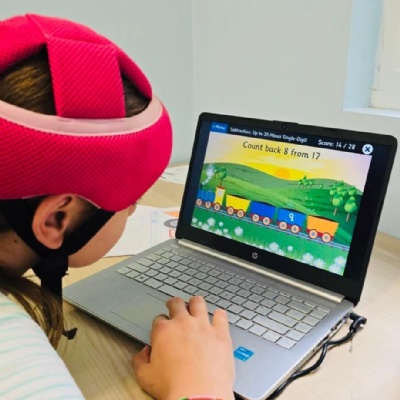
For many families of disabled or medically complex children, the Education, Health and Care Plan (EHCP) process can feel overwhelming — full of paperwork, deadlines, unfamiliar terminology and uncertainty.
This guide explains each stage in clear, practical steps so you can approach the process with confidence, whether you’re starting a new application or preparing for a review.
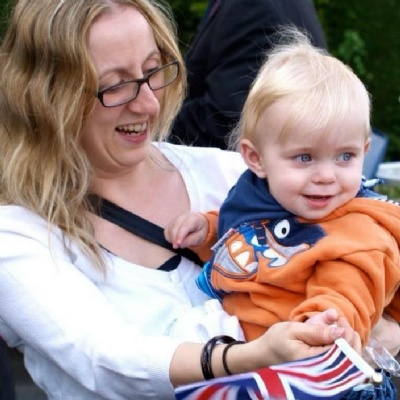
At Little Miracles Charity, we know that caring for a child with additional needs, disabilities or a life-limiting condition can be both rewarding and overwhelming. Every day, parents, grandparents, siblings and friends step into the role of unpaid carers — often without realising just how many rights and forms of support are available to them.

Bonfire Night can be stressful for some children. Loud fireworks, bright lights, crowds, and even the general excitement of the night can be overwhelming. Children with sensory sensitivities, anxiety, or behavioural challenges may find it hard to cope — and even staying at home doesn’t always remove the stress. Sounds from distant fireworks, changes in routine, and worries about pets or animals outside can still affect them.
Here are some practical tips to help keep Bonfire Night manageable.

Caring for a child with complex medical needs can be overwhelming, and finding the right support can feel like an uphill battle. NHS Continuing Healthcare (CHC) is there to help — providing funding to cover the care your child needs, at no cost to you. It’s designed for children whose health needs are complex, unpredictable, or life-limiting.There is a simpler version of the document here provided by Access Social Care.
In this post, we’ll guide you through what CHC is, who might be eligible, and how to apply, so you can feel supported every step of the way.
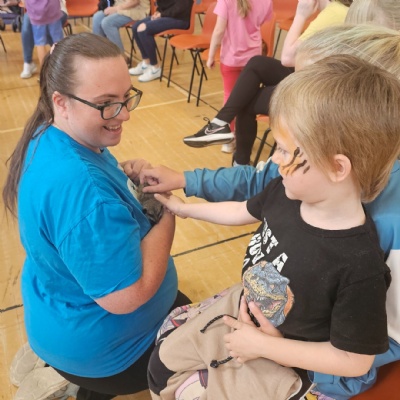
Balancing work and caring for a child with disabilities can be one of the toughest challenges a parent faces. Even with support systems in place, the emotional, physical, and logistical demands can sometimes feel overwhelming.
Balancing work and caring for a disabled child is incredibly challenging. Frequent hospital visits, therapy sessions, and specialist appointments often clash with working hours, while anxiety about schooling — from securing a suitable place to ensuring proper support — adds extra stress. Parents are left constantly juggling responsibilities, trying to meet both work demands and their child’s complex needs.
For many parents, working isn’t a choice — it’s a financial necessity. Yet caring for your child full time may also be non-negotiable. Finding that balance can feel impossible at times, but there are practical ways to make life a little easier.
At Little Miracles, we understand the unique pressures you face. Below, we share some ideas and resources that might help you manage both your career and your caring responsibilities.

For many families, the transition from children’s to adult services can feel like stepping off the edge of a cliff. One moment, your young person is surrounded by professionals who’ve known them for years — and the next, they’re expected to make adult decisions and manage complex systems on their own. It’s an emotional, confusing, and often frightening process for everyone involved.

Travelling with a medically complex child can feel overwhelming — but with the right planning and support, it can be done smoothly and safely. Here is a step-by-step guide collated by lots of parents who have children with varying complex needs and between them have been on a few holidays!