
Bonfire Night: Practical Tips for Families of Children with Additional Needs
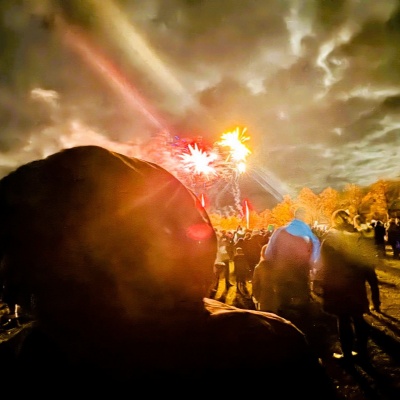
Bonfire Night can be stressful for some children. Loud fireworks, bright lights, crowds, and even the general excitement of the night can be overwhelming. Children with sensory sensitivities, anxiety, or behavioural challenges may find it hard to cope — and even staying at home doesn’t always remove the stress. Sounds from distant fireworks, changes in routine, and worries about pets or animals outside can still affect them.
Here are some practical tips to help keep Bonfire Night manageable.
1. Prepare in Advance
- Explain what will happen using simple words, pictures, or short videos.
- Let your child know how long you’ll be awake, what you might hear, and what you expect from them.
- Consider creating a visual schedule or social story specifically for Bonfire Night.
2. Manage Noise
- Ear defenders or noise-cancelling headphones can help, even indoors.
- Close windows and doors, or play familiar music or white noise to mask outside sounds.
- Identify quieter rooms in the house where your child can retreat if needed.
3. Sensory Comfort
- Dress your child in warm, comfortable layers.
- Keep favourite comfort items close: toys, blankets, fidgets, or weighted items.
- Have snacks and drinks available to help prevent additional stress.
4. Address Concerns About Pets and Animals
- Children may worry about pets or wildlife outside during fireworks.
- Reassure them by explaining how you’ll keep animals safe, for example: bringing pets indoors or keeping them in a secure area.
- Encourage your child to help prepare the pet’s safe space — it can give them a sense of control.
5. Safety
- Even at home, be careful with candles, sparklers, or any fire hazards.
- Make sure your child knows where to go if they feel unsafe or anxious.
- Stay nearby and provide a calm, safe space for breaks.
6. Consider Alternatives
- Low-noise fireworks, videos, or apps can allow your child to see fireworks without stress.
- Staying at home is fine — focus on quiet activities like baking, games, or a favourite movie.
- Flexibility is key: the aim is keeping your child safe and calm, not following tradition.
7. Reflect Afterwards
- Talk with your child about what felt okay and what didn’t.
- Note any strategies that worked for managing noise, stress, or worries about pets for next year.
Bonfire Night can be challenging for children with additional needs, even if you avoid fireworks entirely. Planning ahead, providing sensory support, and addressing specific worries — like concerns about pets — can make the night calmer and more manageable for everyone.