
Keeping Your Child Warm this Winter
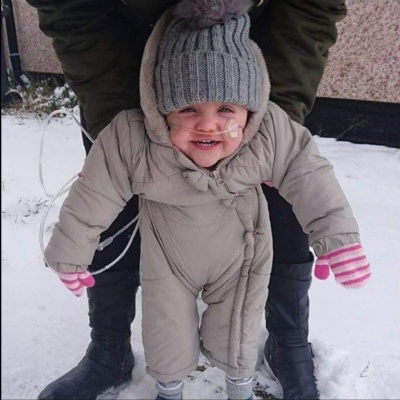
Keeping your child warm can sometimes feel like a full-time job, especially if they have additional needs or a disability. Every child is different, so what works for one might not work for another. We’ve put together some practical tips and ideas from our experience supporting families at Little Miracles—hopefully, they’ll be helpful for you too!
A quick but important note: Every child is unique and official guidance changes, so always check official instructions on blankets, clothing, and heating, and speaking to healthcare professionals if you’re unsure. These tips are intended as guidance and ideas—please adapt them to what works best for your child.
1. Layers, Layers, Layers
For children who have trouble keeping their temperature stable, layers are your best friend. Thin layers usually work better than one thick jumper, and keeping key areas warm—like feet, lower back, and the back of the neck—can make a big difference.
- Leggings or tights made from natural materials, like bamboo, are great under trousers, especially if your child loses heat easily.
- Tops that don’t go over the head can be easier for children with mobility challenges.
- For children in wheelchairs, blankets can be wrapped around them like a little cocoon, keeping them warm while still allowing access to tubes or medical equipment if needed.
2. Thinking About Sensory Needs
Children with sensory sensitivities can sometimes find certain layers uncomfortable. Some helpful tips:
- Fingerless gloves can keep hands warm while still allowing children to use their fingers.
- Soft, sensory-friendly fabrics are best for anything touching the skin.
- Check for tags or seams that could rub, bunch up, or cause pressure sores, especially if your child has reduced mobility.
3. Blankets, Foot Warmers, and Other Heat Helpers
Blankets are a simple way to trap warmth—but safety comes first:
- Wool and crocheted blankets are brilliant for trapping heat.
- Ski mittens can be good instead of gloves - they are easier to get on and have more room for hands to move about.
- Warm booties, rechargeable foot warmers, or microwaveable wheat bags can also help—just make sure they don’t touch sensitive skin if your child has reduced sensation.
- For children with seizures or medical equipment, ensure blankets are secure and don’t pose a risk of suffocation or entanglement.
4. Hot Food and Drinks
Sometimes the easiest way to warm up is from the inside:
- Stews, soups, or a small cup of hot chocolate or warm milk can make a big difference.
- For tube-fed children, never give milk straight from the fridge. Bringing it up to room temperature first can really improve comfort. Always be sure to follow the instructions on the bottle because each brand and child's need will be different.
5. Drafts and Home Heating
Drafts can undo all your careful layering. Some simple ideas:
- Roll blankets and tuck them under doors or put them against drafty windows.
- Shut doors to unused rooms.
- Keep the main living areas warm, or visit warm community spaces if your heating isn’t enough.
We know heating costs can be challenging, so don’t hesitate to get in touch with our Family Support team—we’re here to help with advice, guidance, and sometimes practical support.
6. Safety and Practical Tips
- Always consider your child’s individual needs before adding layers or extra heat sources.
- Heated blankets, foot warmers, or mattress toppers can be useful, but make sure they are used safely and don’t come into direct contact with children who have reduced sensation.
- Planning visits to warm spaces during the day can help reduce reliance on home heating.
Stay Warm with Little Miracles
If you’re finding it tricky to keep your child warm this winter, please reach out to our Family Support team. We can offer advice, guidance, and sometimes practical help.
And don’t forget—our Little Miracles activities are warm, welcoming spaces where your child can stay cosy while having fun and connecting with other families. We’d love to see you there!